Tapes Under the Bed: Mapping Autechre's Lost UK Radio Appearances in 2026
Why UK radio mattered
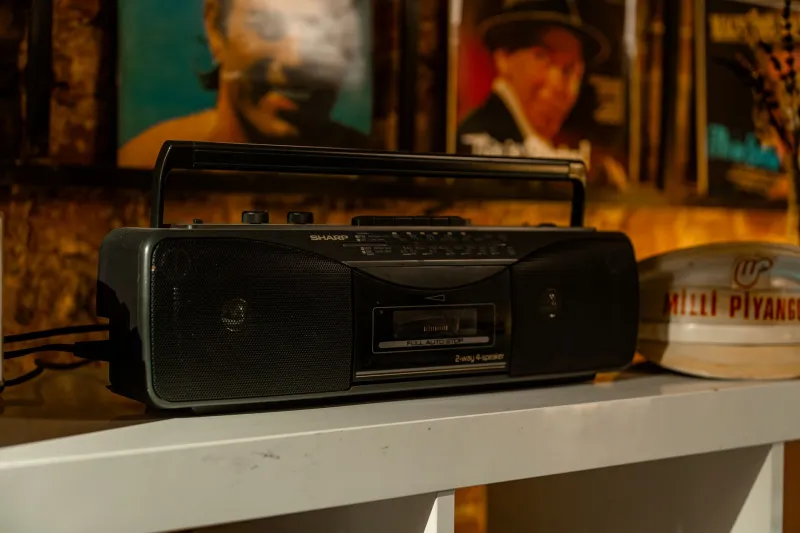
Before Autechre were a catalogue to be studied, they were a sound coming out of a radio late at night. In the early 1990s, John Peel's show was still the main door into strange electronic music for a lot of British listeners, and a Peel session was a kind of credibility stamp. It meant the band could make a noise that did not fit neatly on a shelf, and it meant that noise reached people in bedrooms, vans and shared houses from Cornwall to Carlisle.
That history is why the radio tapes still matter. They are not just completist trophies. They capture Autechre in the act of being a UK band on UK airwaves, before the discourse around them hardened into 'difficult' and 'cerebral'. They also capture something the studio albums cannot: the sound of a group making music for a specific late-night slot, with all the compression, hiss and occasional weirdness that implies.
The essential listens
Start with the official Peel sessions. These are the only radio-related Autechre releases that pass the basic test of being easy to recommend to a normal person. The first Peel Session and Peel Session 2 have both had proper releases over the years, and in 2026 they remain the sensible entry point. They are not just historical documents; they are strong, strange, strangely catchy pieces of work that sit comfortably beside the early albums.
If you only chase one thing beyond the studio records, chase these. They have the atmosphere of the broadcasts without the tape-rot anxiety. Check Warp's official channels, the usual streaming services and second-hand shops for physical copies. Do not pay silly money for a fan rip of something that is still in print in one form or another.
The other essential-adjacent listen is the Breezeblock era. Mary Anne Hobbs's Radio 1 show was a crucial gateway for electronic music in the late 1990s and early 2000s, and Autechre's appearances and guest mixes from that world are the ones most often traded by fans. These are not always officially available, and quality varies wildly. But they are worth hearing because they show the band in conversation with a broader UK electronic scene, not just their own catalogue.
The completist curios
Then there is the shadowy stuff: community radio slots, student station appearances, one-off guest mixes and half-remembered broadcasts that may or may not actually be Autechre. This is where the hunt gets fun and slightly silly. A lot of it circulates as low-bitrate files with names like 'autechre_radio_rip_97.mp3' and no tracklist. Some of it is genuine. Some of it is a different artist entirely. Some of it is a genuine Autechre track played by someone else, which is a different kind of find.
Treat these as curios, not essentials. The pleasure is in the archaeology, not in the sound quality. If you enjoy comparing tape hiss and trying to work out which version of a track is which, you will have a lovely time. If you want a clean listening experience, stick to the official releases.
One useful warning: NTS Sessions is not a radio tape, despite the name. It is a studio album series named after the station, not a recording of a broadcast. Do not go looking for a lost NTS radio mix and end up buying eight hours of studio material by accident. Though, to be fair, that is not the worst accident in the world.
Where to hear them in 2026
Here is a practical checklist for the obsessed.
- Official releases first. Buy or stream the Peel sessions. This is the stable foundation. Everything else is gravy.
- BBC archive trails. Check BBC Sounds and the various John Peel archive projects, but manage your expectations. Full sessions are not always available, and rights issues mean the archive is patchy. Use these as pointers, not guarantees.
- Internet Archive and Mixcloud. Search for 'Autechre Peel Session', 'Autechre Breezeblock' and 'Autechre radio mix'. Cross-check tracklists against Discogs and fan wikis. If the upload has no context, be suspicious.
- YouTube with caution. There are genuine uploads and there are mislabelled ones. Filter by upload date, read the description, and check the comments for the usual fan detective work. Do not assume every grainy image with a Warp logo is real.
- Fan communities. Forums, Discord servers and mailing lists are still the best places to find out what actually exists. Ask nicely, trade fairly, and do not be the person who demands a lossless copy of a 1997 RealAudio rip.
- Local and university radio archives. This is the long-shot option, but some student and community stations have kept odd things. If you live near a station with a decent archive, it is worth a polite email.
- Make your own archive. If you find something good, tag it properly, note the source and back it up. The history of UK radio is held together by fans with external hard drives and a vague sense of responsibility.
What to skip
Skip the 32kbps rips that sound like a kettle boiling in another room. Skip the YouTube uploads that are clearly just the studio album with a radio ID over the top. Skip anything that claims to be a 'lost Peel session' but has no tracklist, no date and no source. The real finds are worth the effort; the fake ones are just noise.
And skip the urge to be completist for its own sake. The best radio tapes are the ones that change how you hear the records you already know. The rest are just tapes under the bed.