The Hiss Between the Notes: How UK Fans Built an Autechre Live Archive
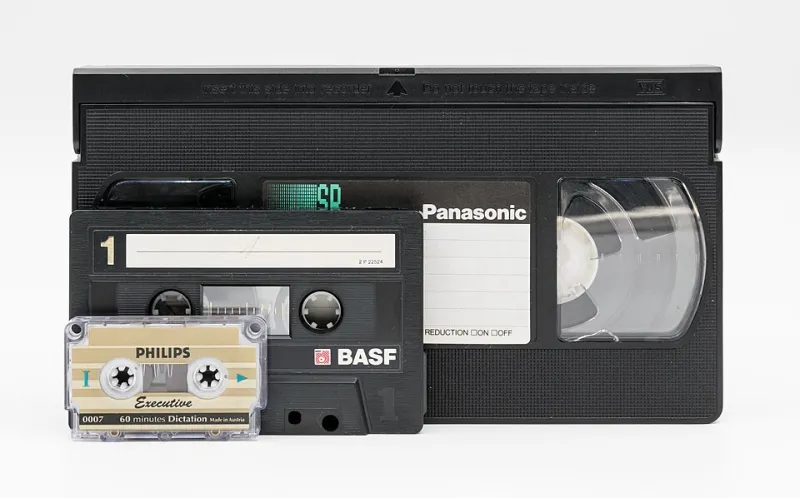
Photo: Jacek Halicki, CC BY-SA 4.0, via Wikimedia Commons
Before every Autechre gig was a potential phone recording, before setlists were discussed in real time, UK fans built their own live archive one cassette at a time. The recordings were hissy, incomplete and often several generations removed from the source. They were also the only way to hear what the group did live, and the network that traded them became a subculture in its own right.
Cassette Culture and the J-Card Aesthetic
In the early to mid-Nineties, trading was personal. You met someone at a gig, at a record shop, or through a small ad in a fanzine. You went home, recorded a set onto a TDK SA90, wrote the date and venue on the J-card in biro, and posted it to a stranger who had promised to send something back. The etiquette was simple: blanks and postage, or a straight swap. Nobody was supposed to sell anything. The tape was a gift, and the gift carried an obligation to pass it on.
The UK postal system was the backbone of this. A padded envelope with a couple of C90s inside cost less than a pint, and a trade could take a week or two to complete. The waiting was part of it. You would come home from school or work and find a package on the doormat, and inside would be a gig you had only read about in a list.
The CD-R Economy and the Trade List
By the late Nineties and early 2000s, cassettes gave way to CD-Rs. The sound was cleaner, the capacity was bigger, and the trade lists became more elaborate. A typical list might run to several pages: date, venue, source, generation, and a note on whether the recording was complete. Traders graded their wares like second-hand records. Audience, slight hiss, cuts at the start of track two was a normal description. Soundboard, excellent was the holy grail.
The early forums and mailing lists made this network visible. People who had never met could compare notes, request upgrades, and arrange trades in public. The language was functional and slightly obsessive: B&P, blanks and postage, trade only, no selling. It was a gift economy with a spreadsheet.
What the Tapes Reveal
The recordings are not just souvenirs. They are documents of how Autechre's live sets changed. The early shows are shorter, more direct, closer to the records. The later sets stretch out, become more abstract, and rely on improvisation and processing. You can hear the group testing ideas that would surface on record months or years later. You can also hear the crowd, the room, and the limitations of the equipment. The hiss is part of the document.
For fans who came later, these recordings fill in gaps that official releases do not. They show the group as a live act rather than a studio project. They also show how different the same track can sound in a different room on a different night.
Listening Ethically in 2026
The obvious question is whether any of this is legal. The honest answer is that it sits in a grey area. Autechre have generally not encouraged the selling of live recordings, and fans have generally respected that by keeping trades non-commercial. In 2026, the ethics are the same as they were in 1995: do not sell, do not monetise, do not upload someone else's recording without credit, and do not pretend a bootleg is an official release. If an official live album exists, buy it. If a recording is shared privately, treat it as a loan from the community.
The best archives are the ones that are documented and private. A folder of untitled WAVs is not an archive. A folder with dates, venues, sources and a note on who transferred it is. The traders who did that work deserve credit, even if they never wanted their names attached to it.
The Archive That Refuses to Die
In 2026, the physical tapes are mostly in boxes, the CD-Rs are degrading, and the trade lists are dead links. But the archive has not disappeared. It has moved to hard drives, cloud folders and private servers, passed on by people who still believe that a live recording should be shared rather than sold. The trading ethos survives in the way fans talk about live sets: with respect for the source, a suspicion of profiteers, and a willingness to help someone hear something they missed.
That is the real legacy of the UK bootleg network. Not the hiss, not the rare tape, but the idea that the music belongs to the people who listen to it. Autechre's live sets may be ephemeral, but the community that preserved them is not.