Needle in the Crates: Unpicking the Records Autechre Reworked
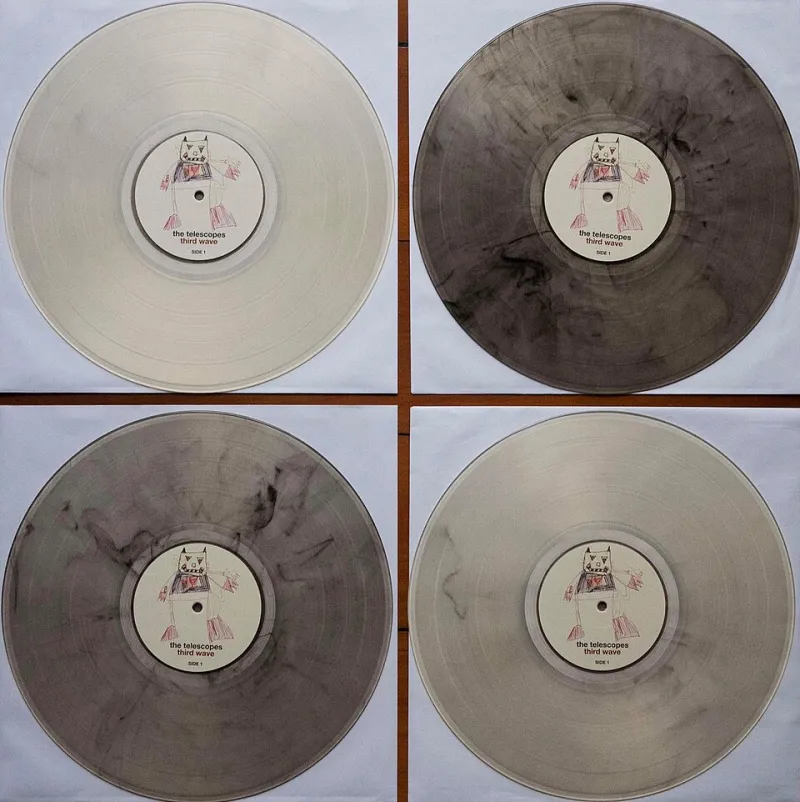
Photo: NEXUS6N6MAA10816, CC BY-SA 4.0, via Wikimedia Commons
Autechre have spent decades building music that feels hermetically sealed, as if it arrived from a server in a shed in Sheffield rather than from anyone’s record collection. But listen closely to the early records and the seams start to show. Not in a bad way. In the best way. You can hear hip-hop’s clipped drums, electro’s cold sparkle, industrial music’s metallic breath and the strange warmth of library records being bent into new shapes. Sample-spotting does not solve Autechre, and it should not try to. It just gives you another way in.
Here at Sublimit, we are not interested in turning this into a ledger of prices. The point is not to own the same records as Sean Booth and Rob Brown. It is to hear the DNA. Once you know that a certain drum hit or string scrape has a life before Autechre, the music stops being a monolith and becomes a conversation. That is worth a few damp Saturday afternoons in provincial record shops.
Why chase the source at all?
The obvious answer is nerdery. The better answer is listening. Autechre are brilliant at making a tiny piece of material feel like a whole landscape. When you find the original, you hear how far it has travelled. A break sounds cleaner, a synth pad sounds cheaper, a vocal fragment sounds more human. Then you go back to the Autechre track and notice how the group have stretched, flattened or buried it. The magic is in the transformation, not the theft.
Early Autechre is especially rewarding for this. Incunabula and Amber are not sample collages in the obvious sense, but they sit close to electro, hip-hop and early UK electronic music. Tri Repetae and the Garbage EP push the grain further forward. Later records become more difficult to unpick, which is part of the fun. Unless a sample is credited, treat every identification as fan forensics. Some claims are solid, some are plausible, some are pure internet folklore. Use your ears.
The affordable end of the rack
You do not need a private income to start digging. The cheapest route is through compilations. Electro compilations, early hip-hop collections, industrial label samplers, soundtrack LPs and library-music reissues turn up regularly in UK shops and fairs for the price of a pint and a packet of crisps. They are often the best entry point because they put a lot of raw material in one sleeve.
Charity shops are still worth a look, though the golden age of finding anything interesting next to the James Last records is long gone. Car-boot sales in the summer are better. So are the boxes under the tables at record fairs, where dealers put the stuff that is too scruffy for the wall but too interesting to bin. Look for British electro, early bleep, industrial comps and strange library records with plain sleeves. Condition matters, but do not walk past a cheap record because the cover has a ring mark. You are buying sound, not wallpaper.
Grail-tier territory
Then there is the other end. Original library LPs, private-press electro, early hip-hop twelve-inches with the right mix and test presses of records that barely exist in the first place. These are the finds that make collectors go quiet and start checking matrix numbers with a little loupe. They are also where the Autechre tax kicks in. If a dealer knows why you want it, the price goes up.
My advice is simple: do not remortgage the house for a sample source. Buy the reissue. Buy the compilation. Buy the cheap original with the battered sleeve. The listening experience is not diminished by owning the second pressing. If you do stumble on something genuinely rare, make sure you actually want it for the music and not just because an internet forum has decided it is holy. The best collections are built from curiosity, not fear of missing out.
A UK digging route
Start local. The best record shops are not always the ones with the nicest Instagram. A shop with a basement, a listening deck and a box marked ‘odds’ is worth ten polished boutiques. Ask the staff what they have in the cheap electronic boxes. Leave a want list. Be nice. Dealers remember nice.
At fairs, arrive early for the serious stuff and late for the bargains. Take cash. Check the runout groove if you are spending proper money. If a seller will not let you inspect the record, walk away. Online digging is fine, but set a limit and stick to it. The thrill of the chase is not worth a credit-card hangover.
How to listen once you find one
Take the source record home and play it properly. Not on a laptop speaker while you are doing the washing-up. Put it on, listen to the first few bars and then go back to the Autechre track. Listen for attack, decay, texture and space. Notice how a familiar sound becomes unfamiliar. That is the whole game.
Sample-spotting is not a quiz. It is a way of hearing how two records breathe the same air. And in a year when so much music arrives as a file with no history, there is something satisfying about following the thread back to a dusty sleeve in a UK record shop. The source material is out there. You just have to get your hands dirty.