The Bits That Didn’t Fit in the Sleeve: Tracking Autechre’s Tour Ephemera in the UK
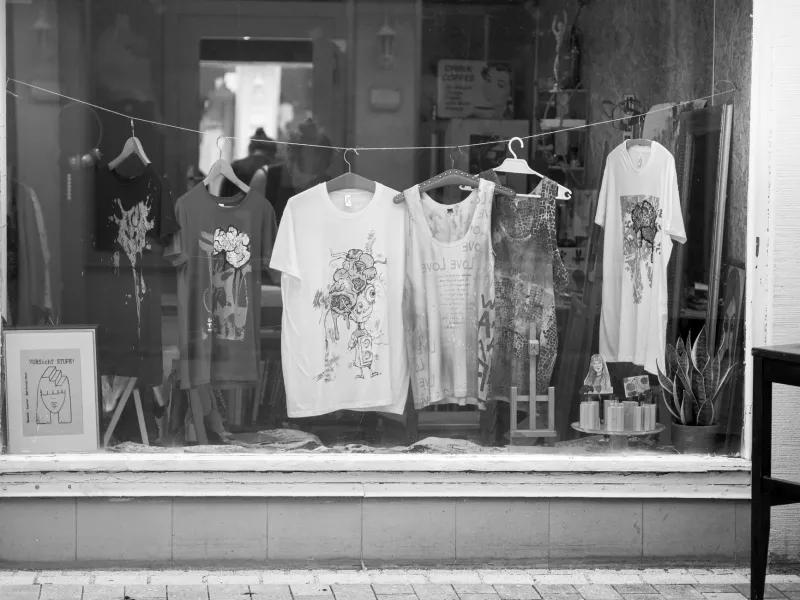
The merch table is where the aura gets physical. You queue for a pint, drift past a folded stack of tees, and suddenly you are holding a piece of paper that says more than the lineup did. Autechre’s records get the catalogue numbers and the close reading, but the stuff around the records — the shirt, the flyer, the laminate, the sticker slapped on a case — is where a lot of the UK fan story actually lives. This is not another article about spending £300 on a repress. It is about the bits that did not fit in the sleeve.
What Counts as Tour Ephemera
Tour ephemera is the disposable stuff that somehow survived. For Autechre collectors in 2026, the useful categories are fairly clear:
- Tour and festival tees, including long-sleeves and hoodies from UK dates.
- Posters and gig prints, from club nights to festival billboards.
- Flyers, handbills and mail-order inserts.
- Stickers, patches and promo cards.
- Press passes, guest laminates, tickets and setlists where they can be traced to a specific night.
- Oddities: shop bags, wristbands, promo CDs in card sleeves, and the occasional signed scrap.
The appeal is not that these things are rare in the same way as a mint LP. It is that they carry a date, a venue and a bit of grubby context. A folded flyer from a Manchester night can tell you more about how Autechre were presented than a clean studio album ever will.
Official or Just Nostalgic? Field Tests
Bootlegs are part of the culture, and some are honest fan artefacts. The problem is when a modern reprint gets sold as a 1990s original. Start with provenance: ask where and when the seller got it, and be suspicious of anyone who cannot say. Look at the print itself. Official merch tends to have consistent typography, clean registration and a garment tag that matches the era. A tee with a modern slim-fit cut and a distressed print of an early-90s design is probably a later tribute, not a tour survivor.
Paper is easier to read. Old flyers yellow unevenly, pick up foxing and soften at the folds. A crisp poster with a suspiciously bright white border and a perfect digital gradient deserves a second look. Check copyright lines, Warp logos, distributor details and the small print. Official items are often surprisingly plain; bootlegs sometimes over-explain. None of this is foolproof, so buy the story as well as the object. If the seller has a ticket stub, a photo of the item in situ or a believable chain of ownership, that is worth more than a vague claim about it being rare.
Era Clues Without a Catalogue
Autechre’s visual identity has shifted enough that you can often place an item by feel. Early UK rave and club flyers tend to be busy, photocopied and typographically loose. The mid-period material gets cleaner and more restrained, with design choices that echo the record sleeves rather than shout over them. Later tour merch often leans minimal: small marks, muted colours, no huge band name across the chest. That minimalism is useful for collectors because it means condition matters more than spectacle.
Do not rely on a single clue. A Warp logo can be right for the period and still belong to a different release cycle. A date on a flyer is only useful if the venue and bill line up. Cross-check against known UK appearances, support slots and festival programmes. The aim is not to become a forensic expert overnight; it is to avoid paying original prices for something that was printed last year.
The UK Paper Trail
British ephemera has its own texture. Club flyers from London, Manchester, Leeds and Bristol often carry the fingerprints of local promoters: overprinted dates, venue stamps, last-minute lineup changes. Festival laminates and wristbands are more institutional but no less evocative. Tickets from small venues are brilliant because they are so ordinary; a stripped ticket stub with a date and a room number can anchor a whole memory.
Press passes are the glamorous end of the paper trail, but they are also easy to fake and hard to verify. Treat them as decorative unless the provenance is solid. Flyers are the opposite: cheap, plentiful and underrated. A bundle of UK flyers from the same tour can be more interesting than one framed poster because it shows how the same band was sold to different rooms.
Storage for Damp Flats
This is the part UK collectors learn the hard way. Paper hates humidity, sunlight and cheap plastic. Store flyers flat in acid-free sleeves or a proper archival box. Do not laminate them. Do not tape them into a scrapbook. If you frame a poster, use UV-filtering glass or acrylic and keep it out of direct sun. A sunny wall in a rented flat can fade a print faster than you would believe.
Textiles need air and a clean, dry place. Fold tees loosely with acid-free tissue, avoid wire hangers and keep them away from damp external walls. Do not store them in a bin bag in the loft. If a shirt is musty, deal with it gently rather than washing the history out of it. Laminates and stickers can go in archival sleeves or a flat file; keep them separate from heavier items that might press creases into them. The goal is to slow decay, not to make old things look new.
2026 Prices and What to Chase
In 2026, ordinary tour tees from the last decade or so tend to sit in the £40 to £120 range depending on size, condition and design. Genuinely old UK shirts with a clear date and a good print can push £150 to £300, and rare or oversized examples go higher. Posters and flyers are all over the place: common flyers might be £5 to £30, while a clean tour poster with provenance can be £30 to £150. Press passes and guest laminates usually land between £20 and £60 unless they relate to a notable night.
Those are guide rails, not gospel. The real question is whether the item tells a story you want to keep. A cheap flyer from a local gig you attended can be worth more to you than a pricey tee from a tour you missed. Set a budget, ask for more photos, and do not get dragged into a bidding war over a sticker. The merch table was never the main event. It was the proof you were there. In 2026, that is still the best reason to collect it.