The Second Ledger: What an Autechre Deep Dive Really Costs a UK Collector in 2026
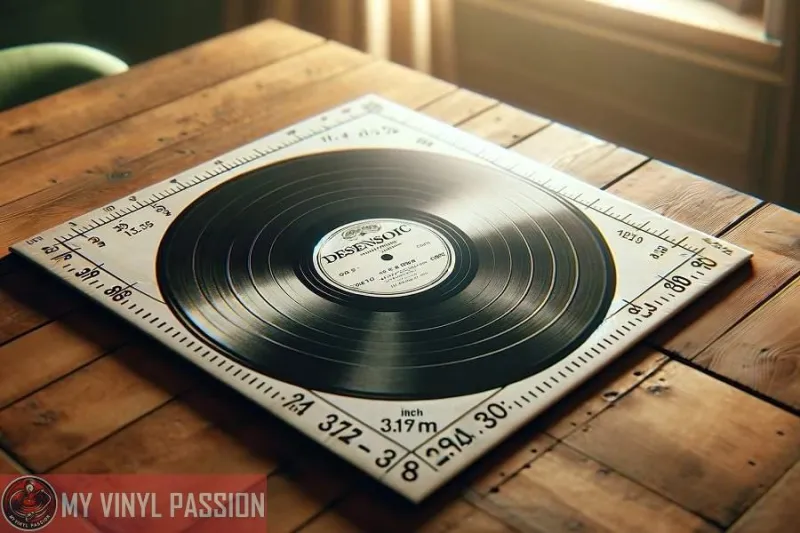
Photo: vinyl records, notebook and calculator on a kitchen table, UK home, via myvinylpassion.com
There is a moment, usually around the third Discogs tab and the second cup of tea, when the Autechre collection stops being a shelf and starts being a spreadsheet. The records are only half the story. The other half is postage, customs handling, reissue timing, auction nerves and the slow realisation that the most expensive part of a deep catalogue is not the wax at all. It is the time you spend working out which version of the thing you actually need. Call it the second ledger. The first one records what you paid. The second records what it cost you to know what to pay.
Three realistic tiers for 2026
Start with the honest banding. A starter shelf can be done for £60–£120 if you are format-flexible. The core albums are widely available on CD and digital, and buying directly from Bleep or Bandcamp avoids the roulette of marketplace grading. Add a couple of second-hand CDs from UK sellers and you have a genuinely useful listening library without touching the rare stuff.
A working collection sits around £250–£450. This is where you add the EPs, the mid-period landmarks, a few Gescom-adjacent bits and maybe one nice vinyl reissue. Postage starts to matter here because you are buying from more than one place. A £22 record from a European seller can turn into a £31 record once shipping and the handling fee land. That is not a scandal; it is just the maths of 2026.
A deep-catalogue habit is £800 and up, and it is where the word “tax” starts to feel less like a metaphor. Rare promos, early pressings, odd compilation appearances, sealed copies and live recordings all pull in different directions. The mistake is treating this tier as a shopping list. It is more like a weather system: you watch it, you wait, and you decide when the conditions are right.
The postage and VAT traps UK buyers still fall into
The UK’s post-Brexit customs reality is now old news, but the small fees still catch people out. A record from the EU may look cheap until VAT and the courier’s handling charge appear. Royal Mail’s handling fee is modest but regular; some private couriers charge more and give you less warning. If you are buying from the US, assume the shipping quote is the start of the conversation, not the end. Ask sellers to declare accurately, keep receipts, and factor the worst case into your ceiling before you bid.
There is also the quiet cost of returns. A misgraded LP from an overseas seller can cost more to send back than it cost to buy. For low-value items, it is often cheaper to absorb the loss and leave honest feedback. That is not defeat; it is budgeting.
Formats are not a hierarchy
CDs remain the best value route into the deep catalogue. They are small, cheap to post, and often contain the same music as the expensive vinyl. Vinyl reissues are lovely and worth owning if you play them, but they are not automatically the “real” collection. Digital files are the least romantic and the most efficient: no postage, no customs, no shelf space. Tapes are a niche within a niche, and the prices reflect that. Choose the format that matches your listening habits, not the one that looks best in a forum signature.
The time tax is the real Autechre tax
The article that inspired this one called it the Autechre tax, and the phrase sticks because it captures something true. The money is visible. The time is not. Learning which gaps matter takes hours: checking matrix numbers, reading forum threads, comparing reissue notes, waiting for a seller to drop a price, deciding whether a promo is genuinely different or just a sticker on the same pressing. Auction fever makes it worse. A rare item appears, three people bid it up, and suddenly you are paying over the odds for something you were not sure you wanted an hour earlier.
The defence is boring and effective. Set a ceiling before you open the tab. Watch an item for a week instead of ten minutes. Buy the music you will play, not the gap that looks impressive on a list. The deep catalogue rewards patience more than it rewards panic.
A budget that leaves room for listening
A sensible 2026 budget might look like this: £30 a month for music, £10 a month set aside for postage and fees, and one “stretch” purchase a year. That keeps the collection moving without turning it into a financial drag. The point of a Sublimit-style deep dive is not to own everything. It is to know what you own, why you own it, and what you are still curious about. The second ledger is the one that tells you whether the habit is still fun. Keep an eye on it.