Shelf Lives: What the 2026 Sublimit Census Tells Us About UK Autechre Collections
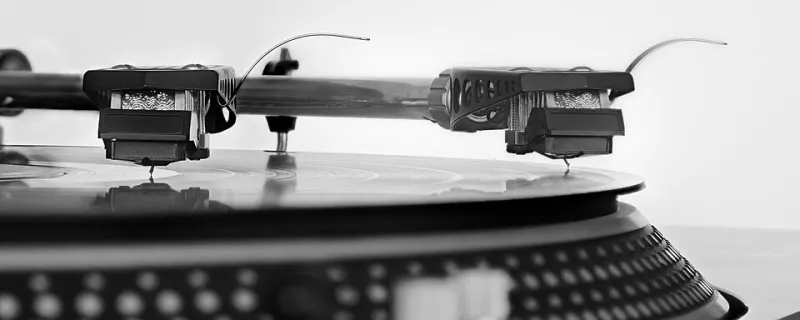
Photo: Franz van Duns, CC BY-SA 4.0, via Wikimedia Commons
At the start of October 2026, we opened a simple form on Sublimit and asked readers one question: what Autechre do you actually own? Not what you stream, not what you would grab in a fire — what is physically on your shelf, in your rack, or in the plastic crate under the bed. Just over 600 people replied, from Belfast to Brighton, Aberdeen to Plymouth. The results are not a scientific survey. They are a census of a particular kind of fan: the sort who knows the difference between an original Warp CD and a later repress, and who has strong opinions about whether a sealed record is an investment or a waste of a good afternoon.
The Format Tally: Vinyl Leads, CD Refuses to Die
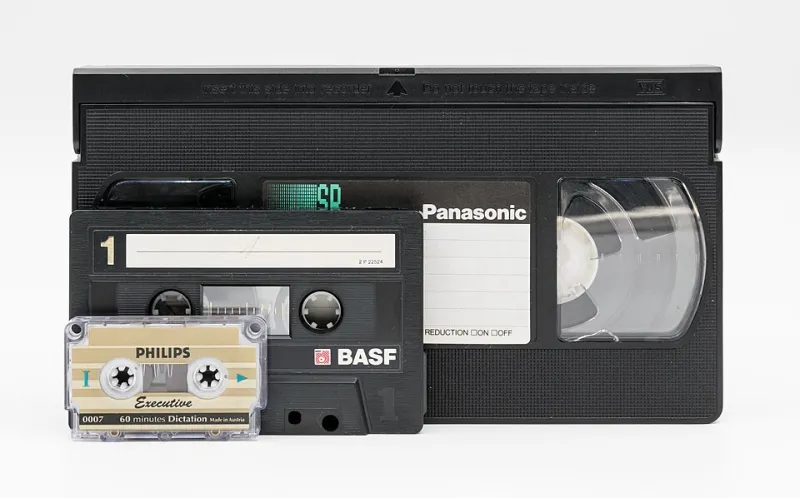
Vinyl is still the biggest single format among respondents. Just under half said vinyl was their main way of owning Autechre, with CDs close behind at roughly a third. Cassettes, perhaps surprisingly, accounted for around one in ten — less a mass revival than a stubborn pocket of collectors who never stopped. The rest were split between digital files, minidiscs, and one person who admitted to keeping a folder of MP3s on a laptop for emergencies.
The regional splits are more interesting than the headline. London and Brighton skew heavily vinyl, which fits the picture of bigger shops, more record fairs and a certain amount of collector display. Manchester, Sheffield and Glasgow lean CD. Bristol has the strongest cassette contingent, which is either a legacy of the city's dub and soundsystem culture or just the result of one very active trader. Cardiff and Belfast reported fewer local shops and more online buying, which will surprise nobody who has tried to find a decent electronic section outside a city centre.
Era Loyalty: Confield Country and the Amber Holdouts
We asked readers to name their favourite Autechre era. The 1994–98 run — Tri Repetae through LP5 — came out on top, just ahead of the late-Nineties and early-2000s stretch that runs from Chiastic Slide to Confield. The Oversteps and Exai years had a solid showing, and the NTS Sessions and later live releases picked up a loyal bloc of their own. Nobody was particularly surprised by any of this, but the comments were revealing. The Amber holdouts are still out there: people who love the warmer, more melodic end of the catalogue and regard everything after EP7 as a controlled experiment they admire rather than play.
That era split matters for collectors. Early-period fans tend to chase the original EPs — Anti, Garbage, Anvil Vapre, Cichlisuite — and the Peel Session CD. Later-period fans are more likely to have the big box sets, the NTS Sessions, and a hard drive full of live recordings. There is no correct shelf. There is only the shelf you have, and the shelf you keep telling yourself you will organise.
The Regret Shelf
Every collection has one. The most common regret in the census was buying duplicates: a reissue of something already owned, or a second copy just in case during a re-press panic. The second most common was paying over the odds for a CD-R or a supposedly rare promo that turned out to be a home-made copy with a printed label. One reader confessed to buying a sealed vinyl copy of an album they already had on CD, then never opening it. Another bought a job lot at a car boot sale for one Autechre record and ended up with six copies of a different Warp album they did not want.
The lesson is not that collecting is silly. It is that the deep catalogue rewards patience. Most Autechre records are not actually rare. They are just spread out, and the internet has made it easy to confuse not in my local shop with scarce.
What’s Still Worth Hunting
If you are building a collection in 2026, the sensible targets are original Warp CDs with complete artwork and the early EPs. They are not cheap, but they are findable, and they hold their value in the way that a well-looked-after CD always does. Cassettes are a different game: the official releases are worth having, but the market is full of dubs and home-made copies. Buy those only if you care about the object, not the investment. Vinyl reissues are fine for listening. Original pressings are for people who enjoy the hunt more than the destination.
The one thing we would advise against is paying serious money for live CD-Rs. They circulate for free among fans, and the trading ethos that built that network is worth more than any single disc.
Streaming and the Deep Catalogue
Almost everyone who replied uses streaming, but almost nobody uses it as their only way in. The pattern is consistent: streaming acts as a test drive, a way to check whether a record is worth owning, or a background listen on the train. The deep catalogue — the NTS Sessions, the live sets, the EPs — is easier to explore than ever, but it has also become more disposable. You can skip through a two-hour set in ten minutes and feel like you have heard it. The collectors in this census are the ones who still sit with a record, even when the record is a file.
The Odd Shelf Discovery
Our favourite response came from a reader in Leeds who found a copy of Tri Repetae in an Oxfam shop, tucked inside a generic classical CD case. It had a bus ticket from 1997 inside it and a phone number written on the back of the inlay. They have never called the number. Another reader found LP5 in a house clearance box in Norfolk, still in its shrink wrap, next to a VHS of a football match. These are the stories that keep the hunt alive. Not the eBay wins, but the accidents.
The Sublimit Census 2026 is not a definitive map of UK Autechre ownership. It is a snapshot of a fanbase that still cares about the physical object, even as the music moves further into the cloud. The shelf is not dead. It is just getting more selective.